
How to Connect OpenClaw to Gmail: AI Email Automation
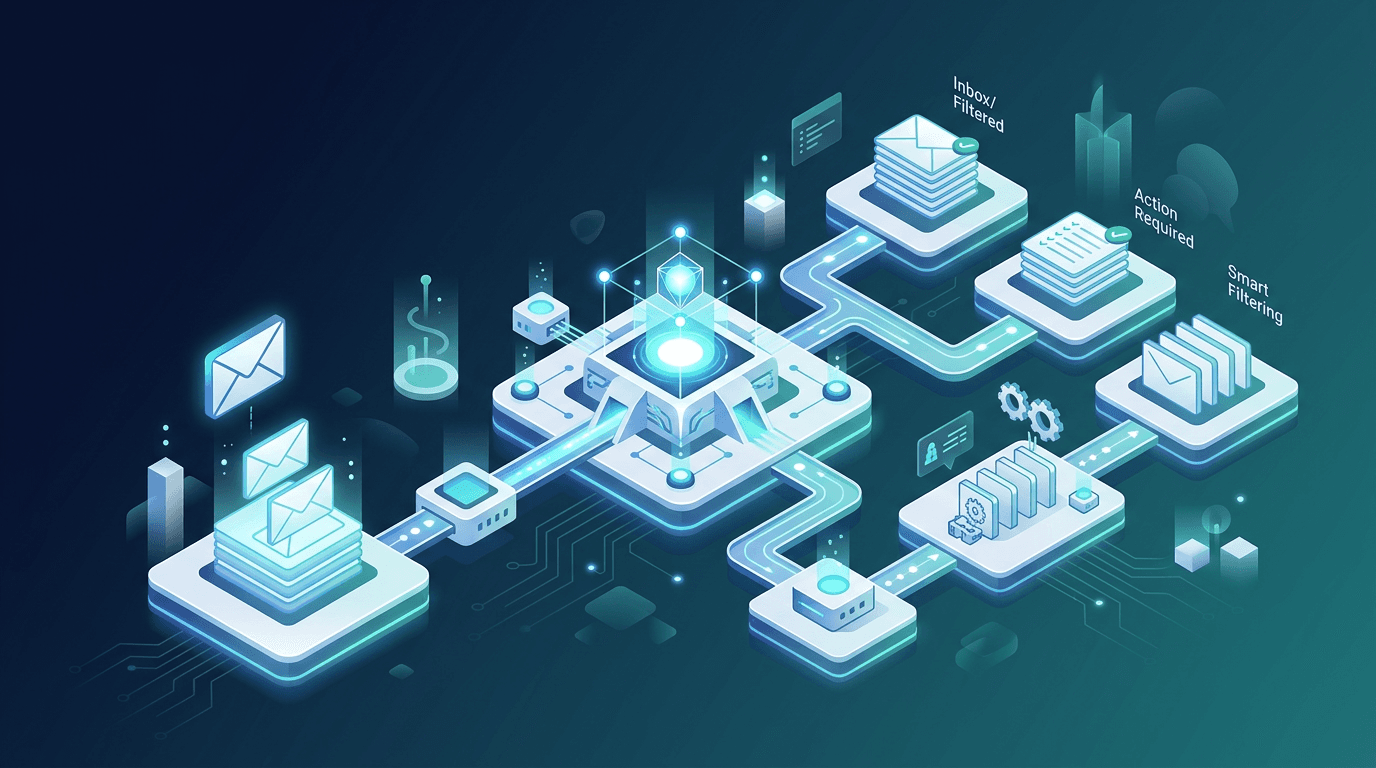
Email is one of those things that eats hours out of your day without you even noticing. You open Gmail, and thirty minutes later you're still sorting through newsletters, client follow-ups, and notification noise. That is exactly why connecting an OpenClaw agent to Gmail is one of the highest-impact integrations you can set up.
Once connected, your agent goes from a chatbot that can only talk about emails to an agent that can actually handle them. Reading, summarizing, drafting, sending, filtering — all of it.
This post walks through exactly how to connect OpenClaw to Gmail, what you can automate once it's live, and practical tips from months of running this integration in production.
Setting Up the Gmail Connection
The setup process involves connecting OpenClaw to the Gmail API through Google OAuth. It sounds technical, but it is more straightforward than you would expect.
Step 1: Create a Google Cloud Project
Head over to the Google Cloud Console and create a new project. Give it a name you'll remember, something like "OpenClaw Email Agent" works fine. Once the project is created, you need to enable the Gmail API. Navigate to APIs & Services > Library, search for "Gmail API," and click Enable.
Step 2: Set Up OAuth Credentials
Still in the Google Cloud Console, go to APIs & Services > Credentials and create an OAuth 2.0 Client ID. You'll need to configure the OAuth consent screen first. For personal use, the "External" user type works. Fill in the app name, your email, and the required fields.
When creating the credentials, select "Desktop application" as the application type. Download the JSON file with your client ID and client secret. You will need these values for OpenClaw's configuration.
Step 3: Configure OpenClaw
OpenClaw uses a CLI tool called gog for Google Workspace integrations. You'll need to set up the environment variables:
export GOG_KEYRING_PASSWORD=your-secure-password
export GOG_ACCOUNT=your-email@gmail.com
Then run the OAuth flow through gog to authorize access. The first time you do this, it opens a browser window where you grant permissions. After that, your tokens are stored securely and refresh automatically.
Step 4: Test the Connection
Once configured, ask your OpenClaw agent to check your inbox. A simple "Do I have any new emails?" should trigger the agent to query Gmail and return results. If you see your recent messages, the connection is live.
For the full walkthrough on setting up multiple Google integrations at once, check out the guide on how to set up OpenClaw with Gmail, Slack, and Linear.
What You Can Actually Automate
Here's where it gets interesting. Having Gmail connected isn't just about reading messages. It opens up a whole category of automations that genuinely save time.
Reading and Summarizing Emails
This is the most commonly used automation. During heartbeat checks, the agent scans the inbox for new messages and flags anything important. Instead of wading through 40 emails, you get a quick summary: "Three emails need your attention. A client asked about the project timeline, your accountant sent tax documents, and there's a meeting request for Thursday."
The key here is filtering. Not every email matters. The agent learns to distinguish between newsletters (low priority), transactional receipts (archive immediately), and messages from real humans that need a response (high priority). Over time, it gets better at this by using its memory system to remember which contacts and threads matter most.
Drafting Responses
When an email needs a reply, your agent can draft one. It reads the incoming message, understands the context, and writes a response that matches your tone. You review it, make any tweaks, and hit send. What used to take ten minutes of thinking and typing takes thirty seconds of review.
A few tips for better drafting:
- Match the sender's formality level. If they wrote a casual two-liner, the reply shouldn't be a five-paragraph formal response.
- Keep it short. Most email replies don't need to be longer than a few sentences.
- Always flag uncertainty. The agent should note when it's unsure about the right response — "Here's a draft, but you might want to adjust the timeline mentioned."
Sending Emails
Yes, the agent can send emails too. But this is where you want to be careful with permissions. For routine messages like meeting confirmations or standard follow-ups, sending directly makes sense. For anything sensitive or client-facing, always draft first and let a human approve before sending.
OpenClaw's configuration lets you set up guardrails for this. You can define which types of messages the agent can send autonomously and which require approval. We recommend starting with approval required for everything, then loosening it as you build trust with the system.
Morning Briefings
One of the most valuable automations is the morning email briefing. Every day at 8 AM, the agent checks the inbox, summarizes what came in overnight, and sends a digest via Telegram. It includes:
- Number of new emails
- Who sent them
- Any that seem urgent
- Calendar events for the day (pulling from Google Calendar integration)
This is set up as a cron job that runs on schedule without any manual triggering.
Real Use Cases and Practical Tips
Here are some specific scenarios where the Gmail integration has been genuinely useful.
Client Communication Tracking
If you run a small business, keeping track of client emails across multiple threads can be a mess. With OpenClaw monitoring incoming emails and logging important client communications, you can ask "When did we last hear from Client X?" and get an instant answer because the agent has been tracking it in its memory files.
Invoice and Receipt Management
Every time a receipt or invoice comes in, the agent can identify it, extract the key details (amount, vendor, date), and log them. This saves hours during tax season. The data can also be pushed into Google Sheets for tracking expenses.
Newsletter Summarization
If you subscribe to a dozen newsletters but never have time to read them all, your agent can handle it. It scans incoming newsletters, pulls out the most interesting points, and creates a weekly digest. You get the value of all those newsletters in a five-minute read.
Follow-up Reminders
If someone sends an email that needs a response but not immediately, the agent tracks it. Three days later, if there has been no reply, it sends a nudge: "You still haven't responded to that email from Sarah about the partnership proposal." This is a simple combination of Gmail monitoring and the heartbeat system.
Tips for Getting the Most Out of Gmail Automation
After months of running Gmail automation through OpenClaw, here are the practical lessons worth noting:
Start with read-only access. When you first set up the integration, give your agent read-only permissions. Let it prove itself with summarization and monitoring before you grant send access. You can always expand permissions later through the Google Cloud Console.
Set up labels and filters in Gmail first. The cleaner your inbox organization, the better your AI agent can work with it. If you already have labels for "Clients," "Receipts," and "Newsletters," the agent can use those categories to prioritize intelligently.
Use the memory system. The more context the agent has about contacts and ongoing conversations, the better its email handling gets. It stores notes about key contacts, ongoing projects, and communication preferences in memory files. This means email summaries get more relevant over time, not less.
Don't try to automate everything at once. Start with inbox summarization. Get comfortable with that. Then add drafting. Then consider auto-sending for specific message types. Building up gradually lets you calibrate trust with the system.
Monitor the API usage. Gmail API has usage limits. For personal use, you're unlikely to hit them, but if you're checking the inbox every five minutes, the quota can add up. I check during heartbeats (roughly every 30 minutes) and that's been more than enough.
Conclusion
Connecting OpenClaw to Gmail turns email from a time sink into something that mostly runs itself. The setup takes maybe twenty minutes, and the payoff starts from day one. If you are running an OpenClaw agent and have not connected Gmail yet, it is probably the single highest-impact integration you can add.
If you are setting up multiple integrations, start with the complete setup guide. For scheduling your email checks automatically, read about cron jobs and heartbeats. And if you want help building a fully configured email automation workflow, Toronto AI Consulting offers OpenClaw agent development to get you up and running fast.
Email does not have to be a chore. Let your AI agent handle it.