
OpenClaw DevOps & Cloud Skills: Docker, AWS, and CI/CD
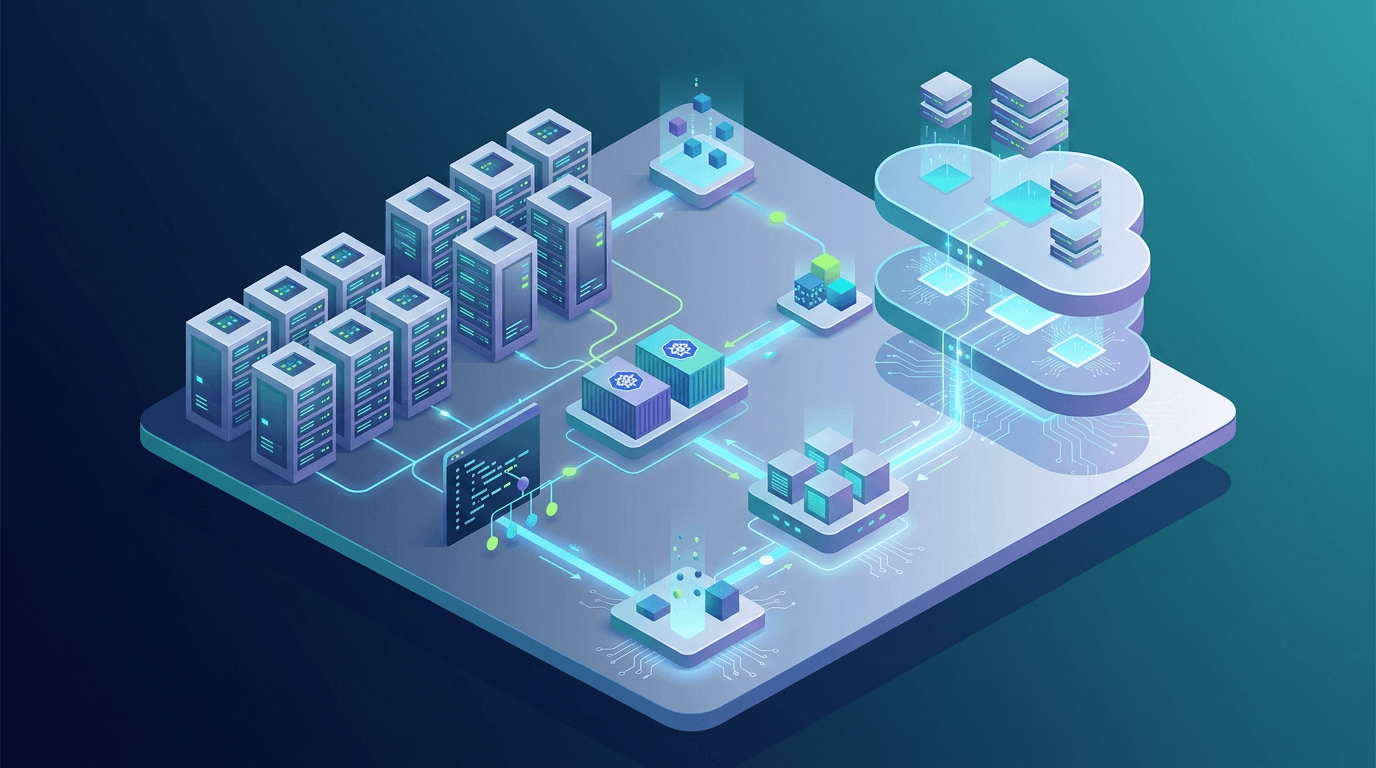
DevOps is where AI assistance goes from nice-to-have to genuinely transformative. The repetitive, error-prone, context-heavy nature of infrastructure management makes it a perfect fit for conversational automation. ClawHub lists 212 DevOps and cloud skills, making it the largest category on the platform. Docker, deployment, and monitoring skills see daily use in OpenClaw workflows. Here is the complete guide to building a DevOps workflow powered by OpenClaw.
Docker: The Container Foundation
Docker skills are the most commonly used DevOps tools in OpenClaw workflows. Two skills handle the bulk of container operations.
Docker Essentials
The Docker Essentials skill provides full container lifecycle management through conversation:
- Image management: Build images from Dockerfiles, pull from registries, tag, push, and clean up unused images
- Container operations: Run, stop, restart, remove, and inspect containers
- Compose stacks: Manage multi-container applications with Docker Compose (up, down, logs, scale)
- Volume and network management: Create, inspect, and clean up volumes and networks
- Log access: Stream or tail container logs for debugging
Daily Usage Patterns
Common Docker interaction patterns include:
Development environments: "Spin up the development stack" runs docker compose up for the project's development configuration. The agent monitors the startup, checks that all services are healthy, and reports any issues.
Debugging: "Why is the API container crashing?" triggers a sequence of checks: container status, recent logs, resource usage, and comparison against the last working state. The agent reads the error logs, identifies the issue, and suggests a fix.
Cleanup: Docker accumulates unused images, stopped containers, and dangling volumes over time. Periodic cleanup during heartbeat polls reclaims disk space. "You have 12GB of unused Docker images. Want me to clean them up?"
Image builds: After code changes, the agent builds new images, runs tests inside containers, and reports results. "Build the API image and run the test suite" handles the entire flow.
Docker Sandbox
The Docker Sandbox skill provides isolated execution environments. This is critical for security when running untrusted or experimental code.
What Makes It Different
While Docker Essentials manages your actual containers, Docker Sandbox creates temporary, isolated environments that are destroyed after use. Key features:
- Network isolation: Sandboxed containers cannot access the host network by default
- Filesystem isolation: No access to host filesystem or other containers
- Resource limits: CPU, memory, and disk quotas prevent resource exhaustion
- Automatic cleanup: Containers are removed after execution completes
Use Cases
Code testing: When someone shares a script or code snippet, running it in a sandbox first prevents malicious or buggy code from affecting the host system.
Dependency testing: Before adding a new dependency to a project, testing it in an isolated environment checks for conflicts, security issues, or unexpected behavior.
Reproduction environments: When debugging an issue, a sandbox that mirrors the production environment helps reproduce the problem safely.
Cloud Deployment Skills
Vercel
The Vercel skill handles the full deployment lifecycle for frontend applications and serverless functions. Deployment should be conversational, not ceremonial.
What it does:
- Deploy: Push the current project to Vercel with a single command. The skill handles build configuration, environment variables, and deployment settings.
- Preview deployments: Every PR gets a preview URL to share with reviewers before merging.
- Environment variables: Manage production, preview, and development environment variables without touching the Vercel dashboard.
- Rollbacks: If a deployment causes issues, roll back to the previous version immediately. "Roll back to yesterday's deployment" finds the right version and redeploys it.
- Domain management: Configure custom domains, SSL certificates, and DNS settings.
AWS Skills
Amazon Web Services skills cover the most commonly used AWS services:
S3 (Storage)
File storage and retrieval for:
- Storing backups and artifacts
- Hosting static assets
- Managing file uploads from applications
- Organizing and cleaning up buckets
EC2 (Compute)
Instance management for traditional servers:
- Launch, stop, and terminate instances
- Monitor instance health and resource usage
- Manage security groups and networking
- SSH key management
Lambda (Serverless)
Serverless function management:
- Deploy and update function code
- Configure triggers (API Gateway, S3 events, scheduled events)
- Monitor execution logs and errors
- Manage environment variables and layers
Other AWS Services
Additional skills cover RDS (databases), CloudFront (CDN), Route 53 (DNS), SQS (queues), and SNS (notifications). The coverage handles the most common operations conversationally.
CI/CD Pipeline Management
Continuous integration and deployment pipelines are the backbone of modern software delivery. OpenClaw skills integrate with the major CI/CD platforms.
GitHub Actions
Through the GitHub skill, your agent has full visibility into GitHub Actions workflows:
- Status monitoring: Check whether the latest CI run passed or failed
- Log analysis: When a build fails, the agent reads the logs, identifies the failure point, and diagnoses the issue
- Workflow triggers: Manually trigger workflows or re-run failed jobs
- Configuration: Review and suggest improvements to workflow YAML files
Proactive CI Monitoring
During heartbeat polls, the agent checks for failed CI runs on active repositories. If the main branch build fails, it proactively investigates and reports: "The main branch build failed 20 minutes ago. The test suite has a flaky test in auth.spec.ts that timed out. This is the third time this month. Want me to create an issue to fix it?"
Build and Test Automation
Beyond CI platforms, local build and test workflows are automated:
- Pre-commit checks: Run linters, formatters, and type checkers before commits
- Test execution: Run test suites and report results with failure analysis
- Build verification: Verify that builds complete successfully across different configurations
- Performance testing: Run benchmarks and compare against baselines
Infrastructure Monitoring
Monitoring skills close the feedback loop between deployment and operations.
Log Analysis
Application logs from multiple sources get processed:
- Docker container logs
- Cloud platform logs (Vercel, AWS CloudWatch)
- Application-level logging
- System logs
The pattern is always the same: collect logs, filter for relevance, identify anomalies, and surface actionable insights. "Any errors in the API logs in the past hour?" triggers a search across all relevant log sources.
Health Checks
Periodic health checks on deployed services cover:
- HTTP endpoint monitoring (status codes, response times)
- Database connectivity checks
- External service dependency verification
- SSL certificate expiration monitoring
When something is unhealthy, an alert fires immediately with diagnostic information.
Resource Monitoring
Tracking CPU, memory, disk, and network usage across containers and cloud instances:
- Detect resource exhaustion before it causes outages
- Identify memory leaks through trend analysis
- Recommend scaling decisions based on utilization patterns
- Clean up unused resources to reduce costs
Deployment Workflows
Here are the deployment workflows used most often, combining multiple skills.
Simple Web App Deployment
For a typical Next.js application:
- Pre-deploy checks: Run the test suite, check for linting errors, verify the build completes
- Deploy to preview: Push to Vercel preview environment
- Verify: Browse to the preview URL, run smoke tests, take screenshots
- Promote: Deploy to production
- Post-deploy verification: Check production health, monitor error rates for 15 minutes
- Report: Summarize the deployment in Slack or the relevant channel
Docker-Based Deployment
For containerized applications:
- Build: Create a new Docker image with the latest code
- Test: Run the test suite inside the container
- Push: Push the image to the container registry
- Deploy: Update the running containers with the new image
- Health check: Verify all containers are healthy
- Rollback plan: Keep the previous image tagged for quick rollback
Database Migration Flow
Database changes require extra care:
- Review: Read the migration files and assess risk
- Backup: Trigger a database backup before applying changes
- Apply: Run migrations in the staging environment first
- Verify: Check that the application works correctly with the new schema
- Production: Apply migrations to production during a maintenance window
- Monitor: Watch error rates and query performance after migration
Security Practices
DevOps automation introduces security considerations that matter.
Secret Management
Best practices for handling secrets:
- Use environment variables for sensitive values
- Rotate credentials regularly
- Audit secret access patterns
- Use separate credentials for development and production
Access Control
Container and cloud operations can be destructive. The principle of least privilege applies:
- Production operations require explicit confirmation
- Destructive commands (delete, terminate, drop) always prompt for verification
- All infrastructure changes are logged for audit trails
Vulnerability Scanning
Docker images get checked for known vulnerabilities:
- Scan base images for CVEs
- Check dependencies for security advisories
- Monitor for new vulnerabilities in running containers
- Suggest image updates when patches are available
For more on security practices with OpenClaw, see the security skills overview.
The 212 DevOps Skills on ClawHub
The ClawHub DevOps category is the largest on the platform with 212 skills. Beyond the core skills covered here, you'll find:
- Kubernetes: Cluster management, pod operations, Helm chart deployment
- Terraform: Infrastructure as code provisioning and state management
- Ansible: Configuration management and automation playbooks
- Monitoring: Datadog, Grafana, Prometheus, and New Relic integrations
- Cloud platforms: Google Cloud, Azure, DigitalOcean, Linode, and Hetzner
- CI/CD: GitLab CI, CircleCI, Jenkins, and Buildkite
- Container registries: Docker Hub, ECR, GCR, and GitHub Container Registry
- Networking: Cloudflare, Nginx, Traefik, and DNS management
Getting Started with DevOps Skills
If you're new to OpenClaw DevOps skills, here's the recommended installation order:
Week 1: Foundation
- Docker Essentials: Start managing containers conversationally
- GitHub: Connect your repositories for code and CI visibility
- Docker Sandbox: Set up safe execution environments
Week 2: Deployment
- Vercel or your deployment platform of choice
- AWS skills for cloud infrastructure (if applicable)
Week 3: Monitoring and Automation
- Monitoring integrations for your stack
- Scheduled health checks via heartbeat or cron jobs
- Alert routing to your communication channels
Week 4: Optimization
- Security scanning workflows
- Cost optimization (resource cleanup, right-sizing)
- Performance monitoring and benchmarking
Conclusion
The 212 DevOps and cloud skills on ClawHub represent the most comprehensive category in the OpenClaw ecosystem. Docker management, cloud deployment, CI/CD monitoring, and infrastructure automation all benefit enormously from conversational AI. The repetitive nature of DevOps work, combined with the high cost of mistakes, makes it an ideal domain for AI assistance.
Start with Docker and GitHub, add your deployment platform, and layer in monitoring and security over time. The payoff is faster deployments, fewer errors, and more time for the engineering work that actually requires human creativity. Toronto AI Consulting offers Claude Code workflow services for teams that want expert help setting up their development and deployment automation.
Related guides: